Key points
- Biogas can be burned on site in a gas engine to make electricity and heat, or upgraded and compressed into CBG, a vehicle and industrial fuel.
- On-site power replaces electricity you would otherwise buy. CBG is a product you sell to a buyer.
- CBG needs more equipment (CO₂ removal, compression) and a buyer, but India's SATAT initiative created a market for it.
- The right route depends on your gas volume, your own power demand and whether a CBG buyer is within reach.
Two routes for the same gas
Route A: power on site
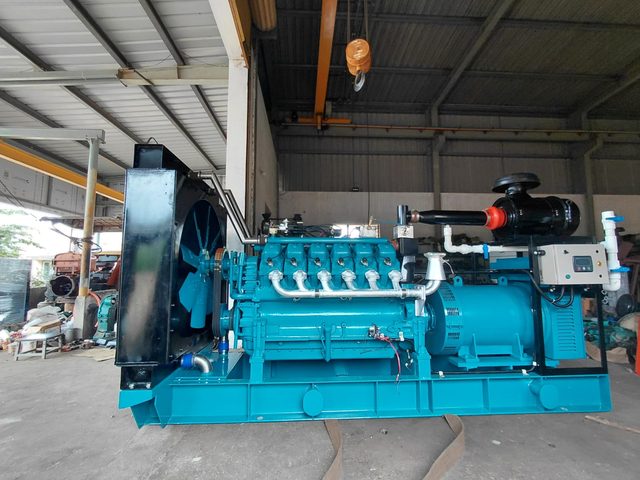
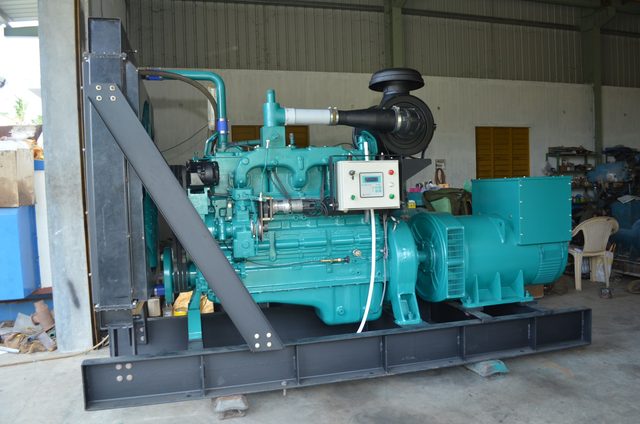
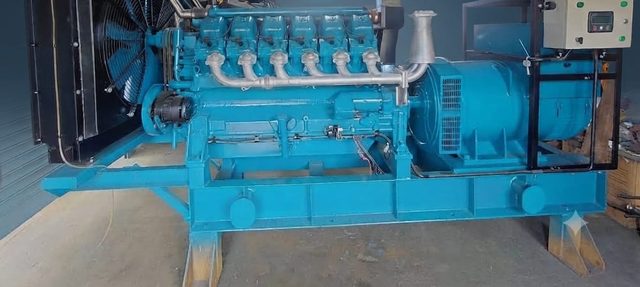
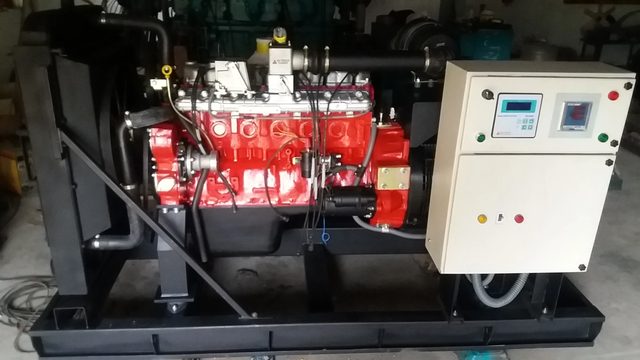
Raw biogas → moisture and H₂S removal → gas engine → electricity and heat used in your own plant.
Value: lower electricity bill, plus heat recovery
Route B: compressed biogas (CBG)
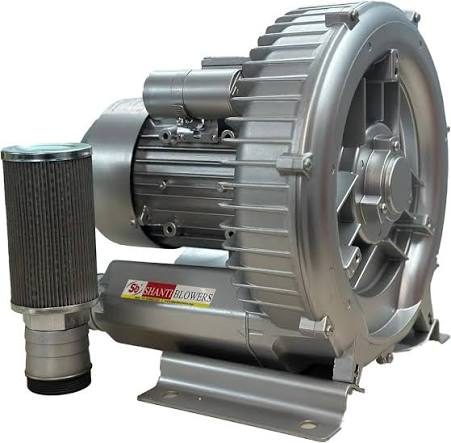
Raw biogas → cleaning → CO₂ removal (upgrading) → compression → cylinders, cascades or pipeline.
Value: fuel sales to oil companies or industrial users
What CBG is
Raw biogas is roughly half to three-quarters methane, and most of the rest is CO₂ (IEA). Upgrading removes the CO₂ and other contaminants, leaving a near-pure methane gas called biomethane. Once compressed, it can be used like CNG. In India this compressed biomethane is known as compressed biogas (CBG) and must meet the Indian standard for it (IS 16087).
The government's SATAT initiative (Sustainable Alternative Towards Affordable Transportation), launched in October 2018, invited entrepreneurs to set up CBG plants and sell the gas to oil marketing companies. Its headline target was 5,000 CBG plants producing 15 million tonnes a year.
Side-by-side comparison
| Power on site | CBG | |
|---|---|---|
| Main equipment | Gas cleaning, gas engine-generator, electrical panel | Gas cleaning, upgrading unit, compressors, storage, dispensing or filling |
| Who uses the output | You do | A buyer: an oil company outlet, a city gas network or an industrial user |
| How it pays | Avoided purchase of grid electricity (and avoided diesel, if you run DG sets) | Sale price of the gas |
| Uses all the gas energy? | About a third becomes electricity. The heat can be recovered if you need it | Most of the methane is sold. Upgrading and compression use some electricity |
| Complexity | Lower | Higher: more machines, safety rules for compressed gas, offtake contracts |
| Fits best | Factories and farms with steady power demand on site | Large, steady feedstock supply with a buyer nearby |
Government support for each route
MNRE's Waste to Energy programme listed central financial assistance (CFA) for both routes. The rates below are as published on MNRE's programme page for the period FY 2021-22 to FY 2025-26.
| Project type | New biogas plant | Existing biogas plant | Maximum per project |
|---|---|---|---|
| Power based on biogas | ₹0.75 crore per MW | ₹0.5 crore per MW | ₹5 crore |
| BioCNG / CBG | ₹4.0 crore per 4,800 kg/day | ₹3.0 crore per 4,800 kg/day | ₹10 crore |
The programme period on MNRE's page ran up to FY 2025-26. As of October 2026 we could not find a published extension or a second phase, so check MNRE and the BioURJA portal for the current position before planning around this support. See our guide to biogas support in India.
Both routes produce manure
Whichever route you choose, the digester also gives digestate. India's Fertiliser Control Order recognises both fermented organic manure (FOM) and liquid fermented organic manure (LFOM) from biogas plants, which opens a second income stream. Plan its handling, drying and sale from the start.
Questions that decide the route
- How much gas, how steadily? CBG plants are usually built at a larger scale. Smaller, steady gas volumes are often easier to use in an engine.
- Do you need the power yourself? If your site runs motors, pumps, dryers or chillers every day, on-site power replaces a cost you already pay.
- Is there a buyer for CBG? Distance to a buyer, the price and the contract terms decide whether CBG pays.
- Can you use heat? Engine heat can run dryers or preheat boiler feed water. That makes on-site power more valuable.
- Who will operate it? Compression and gas-filling bring extra safety duties. Plan for trained staff.
Many sites start with power on site because it is simpler, and the gas is used where it is made. Some larger projects later add upgrading when the volume and a buyer justify it.
Frequently asked questions
What is the difference between biogas and CBG?
Biogas is the raw gas from a digester: methane, CO₂ and impurities. CBG is biogas that has been cleaned, had its CO₂ removed, and been compressed, to meet the Indian standard IS 16087.
Is it better to make electricity or CBG from biogas?
On-site electricity suits sites with steady power demand and moderate gas volumes. CBG suits large, steady gas production with a buyer nearby. Many sites start with on-site power because it is simpler.
What is the SATAT scheme?
SATAT (Sustainable Alternative Towards Affordable Transportation), launched in October 2018, invited entrepreneurs to set up CBG plants and sell CBG to oil marketing companies.
Sources
- IEA: An introduction to biogas and biomethane
- PNGRB: CBG and IS 16087 specification
- IMPRI: SATAT — building India's compressed bioenergy economy
- MNRE: Programme on Energy from Urban, Industrial, Agricultural Wastes/Residues
- Gazette of India: FCO amendment (fermented organic manure)
- GOBARdhan: FCO amendment — authorisation exemption for FOM/LFOM makers (2023)
Figures are as published in the sources above. Plant results vary with the waste, the design and how the plant is run. Last reviewed 17-10-2026.