Key points
- 1 m³ of biogas at 60% methane holds about 6 kWh of energy.
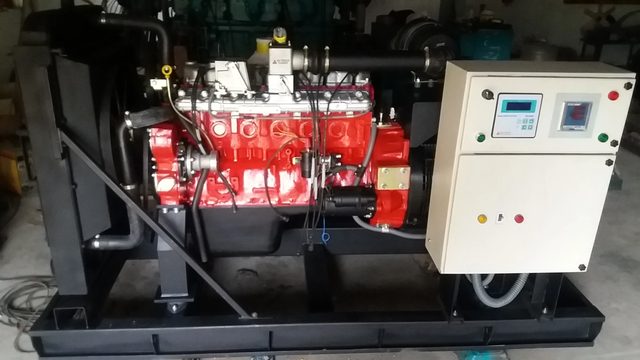
- A gas engine turns about 30–40% of that into electricity, so expect roughly 1.8–2.4 kWh per m³. Use 2 kWh for a first estimate.
- Turned around, that is about 0.5–0.7 m³ of biogas for every kWh.
- To size a generator, divide daily kWh by running hours to get kW, then allow for the power factor and a margin.
The one formula you need
Electricity (kWh) = Biogas (m³) × Methane fraction × 9.97 kWh/m³ × Engine electrical efficiency
Here is where each number comes from:
- 9.97 kWh/m³ is the approximate energy in one cubic metre of pure methane. Published values range from about 9.7 to 10 kWh (around 36 MJ), depending on the reference conditions used.
- Methane fraction is the share of methane in your biogas, typically 45–75% depending on the feedstock (IEA). Use 0.60 if you have not measured it, and measure it as soon as you can.
- Electrical efficiency is the share of the gas energy the engine turns into electricity. Published figures for biogas engines range from about 28% to 47%. Small engines and engines running at part load sit at the low end.
Electricity per m³ at a glance (60% methane)
| Engine electrical efficiency | Electricity per m³ biogas | Biogas needed per kWh |
|---|---|---|
| 25% | 1.5 kWh | 0.67 m³ |
| 30% | 1.8 kWh | 0.56 m³ |
| 35% | 2.1 kWh | 0.48 m³ |
| 40% | 2.4 kWh | 0.42 m³ |
Calculated from 0.60 × 9.97 kWh/m³ ≈ 5.98 kWh/m³ of gas energy. The rest of the energy leaves as heat in the exhaust and cooling water. You can recover it for a dryer, a boiler feed or to warm the digester (combined heat and power).
Step 1: how much biogas does your waste give?
Gas yield is measured per kg of volatile solids (VS): the organic part of the dry matter, the part bacteria can actually use. Two wastes of the same weight can give very different amounts of gas, because one may be 90% water. That is why a lab test for total solids and volatile solids is the first step in any serious biogas project.
| Feedstock | Reported yield | Basis |
|---|---|---|
| Food waste | 0.51–0.53 m³ biogas per kg VS | Laboratory study |
| Vegetable market waste | 0.42 m³ biogas per kg VS | Laboratory study |
| Poultry litter / poultry manure | 0.33 / 0.40 m³ biogas per kg VS added | Doctoral study, wet digestion. High ammonia can lower yields |
| Sewage sludge | 0.18–0.30 m³ methane per kg VS | Water-sector factsheet (methane, not total biogas) |
These are reported ranges from specific studies. Real plants usually get less than laboratory batch tests, because full-scale digesters run with shorter retention times and less ideal mixing. Always test your own waste.
Step 2: from daily gas to generator size
- Daily electricity. Biogas per day × kWh per m³. Example: 1,200 m³/day × 2.0 = 2,400 kWh/day.
- Average power. Daily kWh ÷ running hours. Running 24 hours: 2,400 ÷ 24 = 100 kW. Running 12 hours with gas stored for the rest of the day: 2,400 ÷ 12 = 200 kW.
- kW to kVA. Generators are rated in kVA. At the usual 0.8 power factor, kVA = kW ÷ 0.8, so 100 kW ≈ 125 kVA.
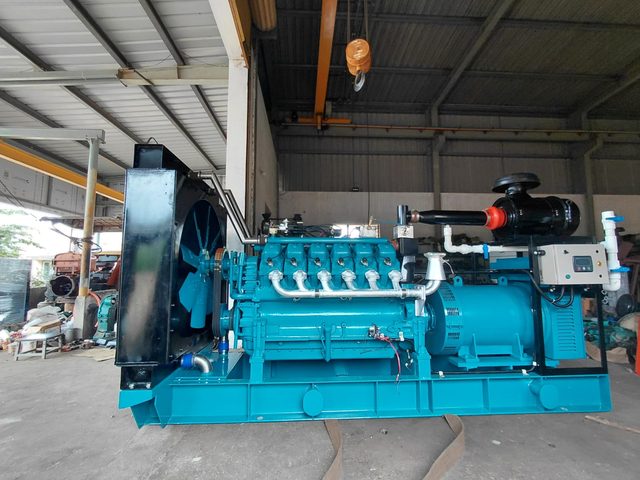
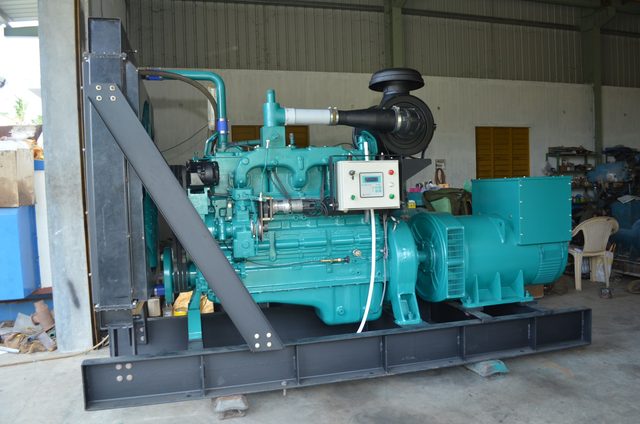
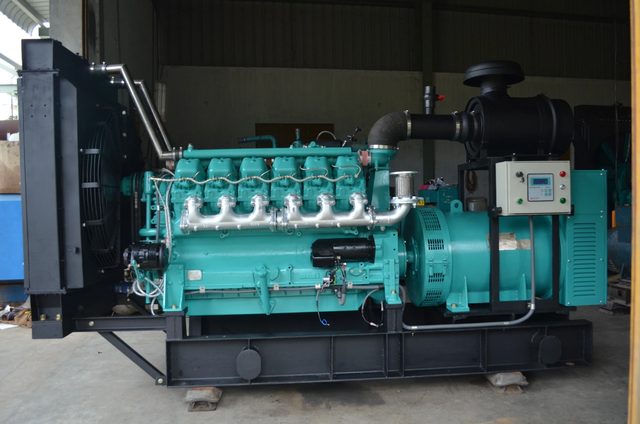
- Margin and derating. Gas engines usually give less power on biogas than on natural gas, because biogas carries less energy per m³. Check the engine maker's biogas rating, not the natural-gas rating.
Tip: match the engine to the gas you can make reliably, not on your best day. An engine that runs steadily at a good load lasts longer and produces more kWh over a year than an oversized one that keeps stopping for lack of gas.
What reduces real-world output
- Lower methane. At 50% methane instead of 60%, every m³ carries about 17% less energy.
- Downtime. Every hour the engine is stopped, the gas is stored, flared or lost. Annual output depends on running hours.
- Gas quality. H₂S and moisture force more maintenance stops. Clean gas protects the engine (see our gas cleaning guide).
- Feeding changes. Sudden changes in waste type or quantity upset the digester for days.
- Leaks. Gas lost from covers, pipes and valves never reaches the engine.
A complete worked example
| Biogas produced | 1,200 m³/day (measured with a gas flow meter) |
|---|---|
| Methane content | 60% (measured with a gas analyser) |
| Gas energy | 1,200 × 0.60 × 9.97 ≈ 7,180 kWh/day |
| Engine electrical efficiency | 33% |
| Electricity | ≈ 2,370 kWh/day |
| Average load over 24 h | ≈ 99 kW, or about 124 kVA at 0.8 power factor |
| Recoverable heat | A large share of the remaining ~4,800 kWh/day, usable for drying or heating |
The maths is the same for sewage sludge, poultry litter, food waste or starch effluent. Only the gas yield changes. If you are evaluating a sewage plant specifically, read STP to electricity.
Frequently asked questions
How many kWh does 1 m³ of biogas produce?
About 1.5–2.5 kWh of electricity at 60% methane, depending on the engine's electrical efficiency. Use about 2 kWh per m³ for a first estimate.
How much biogas is needed for 1 kWh?
Roughly 0.4–0.7 m³ of biogas at 60% methane, depending on engine efficiency.
How do I size a biogas generator?
Multiply daily biogas by kWh per m³ to get daily kWh, divide by running hours to get average kW, and convert to kVA by dividing by the power factor (usually 0.8). Check the engine's rating on biogas, not on natural gas.
Why does my plant give less power than calculated?
Common reasons are lower methane content, engine downtime, gas leaks, poor gas cleaning and changes in the waste being fed.
Sources
- Methane lower calorific value (36 MJ/m³), MEMF journal 2019
- Biogas CHP electrical efficiency — Energy Conversion and Management: X (2022)
- IEA: An introduction to biogas and biomethane
- Patent study: biogas from food and vegetable market waste
- University of South Wales thesis: methane from the anaerobic digestion of poultry wastes
- Water Europe: Factsheet — anaerobic digestion
Figures are as published in the sources above. Plant results vary with the waste, the design and how the plant is run. Last reviewed 17-10-2026.