Key points
- Waste to energy (WtE) means turning waste into electricity, heat or fuel. It works in two broad ways: biological (bacteria make biogas) and thermal (heat breaks the waste down).
- Wet organic waste suits biogas: food, vegetable, poultry, sewage sludge and starch effluent. Dry waste with a high calorific value suits thermal routes.
- India's experience shows that mixed, wet municipal waste burns poorly. A 2019 CSE study found that about half of India's waste-incineration power plants had shut down.
- Sorting waste at the source decides which technology will work.
What “waste to energy” means
Waste to energy covers any process that recovers useful energy from waste instead of dumping it. The energy can come out as electricity, heat, a gas fuel such as biogas or compressed biogas (CBG), or a liquid or solid fuel. India's Ministry of New and Renewable Energy (MNRE) runs a programme on energy from urban, industrial and agricultural wastes and residues. It supports projects that make biogas, BioCNG, power or syngas from these wastes.
There is no single “best” WtE technology. The right choice depends on what the waste is made of, mainly how wet it is, how much of it is organic, and its energy content.
The two families of WtE technology
Biological (biochemical)
Bacteria break down organic matter without air (anaerobic digestion) and release biogas. Best for wet, biodegradable waste.
Output: biogas → electricity, heat or CBG, plus digestate (organic manure)
Thermal (thermochemical)
Heat breaks down the waste by burning it (incineration), partly burning it (gasification) or heating it without air (pyrolysis). Best for dry, high-calorific waste.
Output: steam → electricity, syngas, oils or char
The main technologies, one by one
1. Anaerobic digestion (biogas)
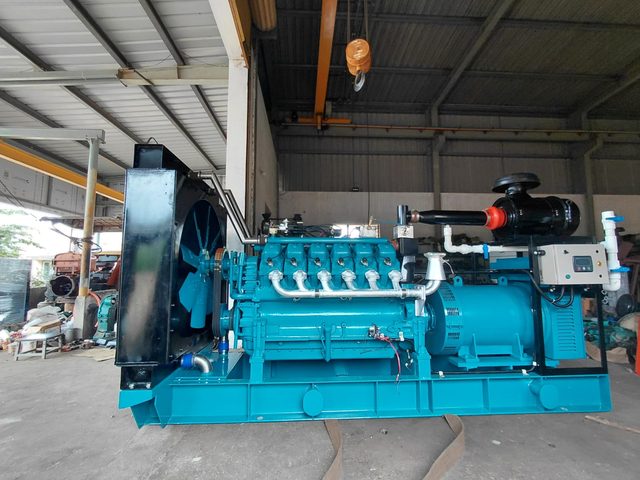
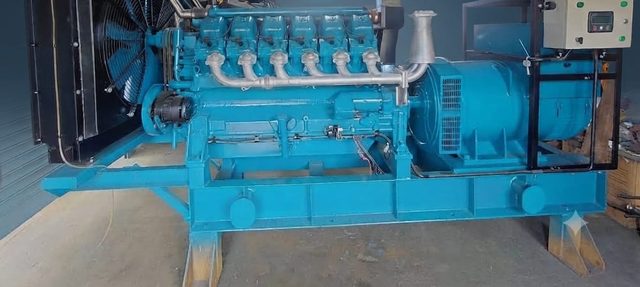
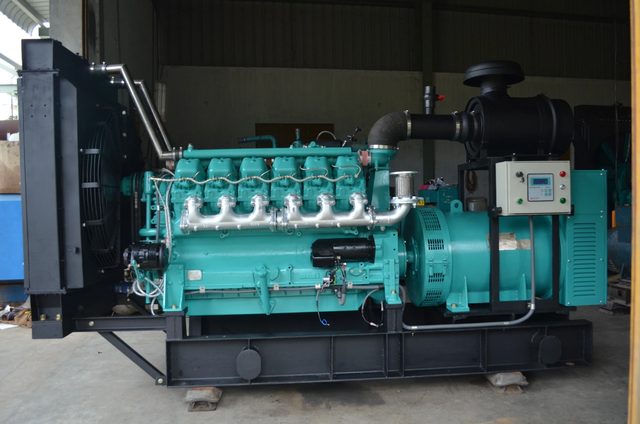
Organic waste goes into a sealed digester. Without oxygen, bacteria convert it into biogas, a mixture of methane and CO₂ whose methane content typically ranges from 45% to 75% (IEA). Biogas can run a gas engine for electricity, fire a boiler, or be cleaned and compressed into CBG for vehicles and industry. What is left, the digestate, can be used as organic manure: India's Fertiliser Control Order recognises fermented organic manure from biogas plants.
2. Incineration (mass burning)
Waste is burned in a furnace, and the heat raises steam that drives a turbine. It reduces waste volume sharply, but it needs waste that burns well, plus strict flue-gas cleaning to control air pollution.
3. Refuse-derived fuel (RDF)
Mixed waste is sorted, dried and shredded to separate the burnable fraction (plastics, paper, textiles). That fraction becomes a fuel for cement kilns, boilers or WtE plants.
4. Gasification and pyrolysis
Gasification heats waste with a limited amount of air to make syngas, a fuel gas of carbon monoxide and hydrogen. Pyrolysis heats it with no air at all to make oil, gas and char. Both need well-prepared, fairly uniform feed.
5. Landfill gas recovery
Organic waste buried in a landfill slowly makes methane on its own. Wells and pipes can capture this gas and burn it in engines, but much of the gas is lost before capture. Digesting the organic waste in a controlled plant recovers far more of it.
| Technology | Best waste | Main output | Watch out for |
|---|---|---|---|
| Anaerobic digestion | Food, vegetable, poultry litter, sewage sludge, starch effluent | Biogas (power, heat, CBG), manure | Plastic and grit in the feed; gas cleaning; steady feeding |
| Incineration | Dry, sorted, high-calorific waste | Steam → electricity | Wet mixed waste burns poorly; emissions control; cost |
| RDF | The burnable dry fraction of mixed waste | Fuel for kilns and boilers | Needs sorting and drying; quality varies |
| Gasification / pyrolysis | Uniform dry biomass, some plastics | Syngas, oil, char | Tar, feed preparation, scale-up |
| Landfill gas | Organic waste already in landfills | Electricity from gas engines | Low capture rates; it does not stop new dumping |
What India's experience teaches
The Centre for Science and Environment's 2019 study To Burn or Not to Burn looked at India's municipal waste-to-energy plants. It found that about half had closed. The main reason was the waste itself. Indian municipal waste is wet (around 50% moisture), contains a lot of soil and grit, and has a low calorific value. Some plants needed extra fuel just to keep burning, and the electricity they produced was costly.
The lesson is simple. Wet organic waste should go to biogas, and only dry, sorted, high-calorific waste should go to thermal plants. This is why sorting waste at the source matters so much.
Where waste to energy fits in renewable energy
India is working towards 500 GW of non-fossil power capacity by 2030. Solar and wind will supply most of it. Bioenergy, including waste to energy, is a smaller slice: MNRE's year-end review for 2025 put installed bioenergy capacity at 11.61 GW, including 0.55 GW of off-grid waste-to-energy.
Bioenergy has one advantage that solar and wind lack: it runs day and night, on demand, as long as the waste keeps coming. For a factory or farm that produces waste every day, biogas power is steady renewable energy generated right where it is needed.
Choosing a route for your own waste
- What is it? Wet and biodegradable points to biogas. Dry and burnable points to RDF or thermal.
- How much, how steadily? Digesters and engines like the same feed every day.
- What do you need? Electricity on site, heat for a dryer or boiler, or a fuel to sell.
- What comes out? Plan where the digestate, ash or residue will go.
- Who will run it? Daily operation matters as much as the equipment.
Frequently asked questions
What is the best waste-to-energy technology?
There is no single best one. Wet, biodegradable waste suits anaerobic digestion (biogas). Dry, sorted waste with a high calorific value suits thermal routes such as RDF or incineration.
Why have many waste incineration plants in India struggled?
A 2019 CSE study found that about half had closed. Indian mixed municipal waste is wet (around 50% moisture), contains soil and grit, and has a low calorific value, so it burns poorly and the power is costly.
Is waste to energy renewable energy?
Energy from biodegradable waste, such as biogas, is renewable because the waste is produced continuously. India counts bioenergy, including waste to energy, in its non-fossil capacity.
What is produced besides energy in a biogas plant?
Digestate. India's Fertiliser Control Order lists fermented organic manure (FOM) and liquid fermented organic manure (LFOM) from biogas plants.
Sources
- MNRE: Programme on Energy from Urban, Industrial, Agricultural Wastes/Residues
- IEA: An introduction to biogas and biomethane
- CSE: To Burn or Not to Burn (2019)
- Down To Earth: Trash-fired power plants wasted in India
- MNRE year-end review 2025, reported by SolarQuarter
- Gazette of India: FCO amendment (fermented organic manure)
- GOBARdhan: FCO amendment — authorisation exemption for FOM/LFOM makers (2023)
Figures are as published in the sources above. Plant results vary with the waste, the design and how the plant is run. Last reviewed 17-10-2026.